
Foundation Insulation
Foundation insulation protects the foundation and retaining walls — the building's load-bearing elements — from both water and heat. Groundwater, soil pressure, and moisture can cause cracks, rebar corrosion, and structural weakening in foundation concrete. In earthquake-prone regions, foundation insulation is an indispensable part of building safety.
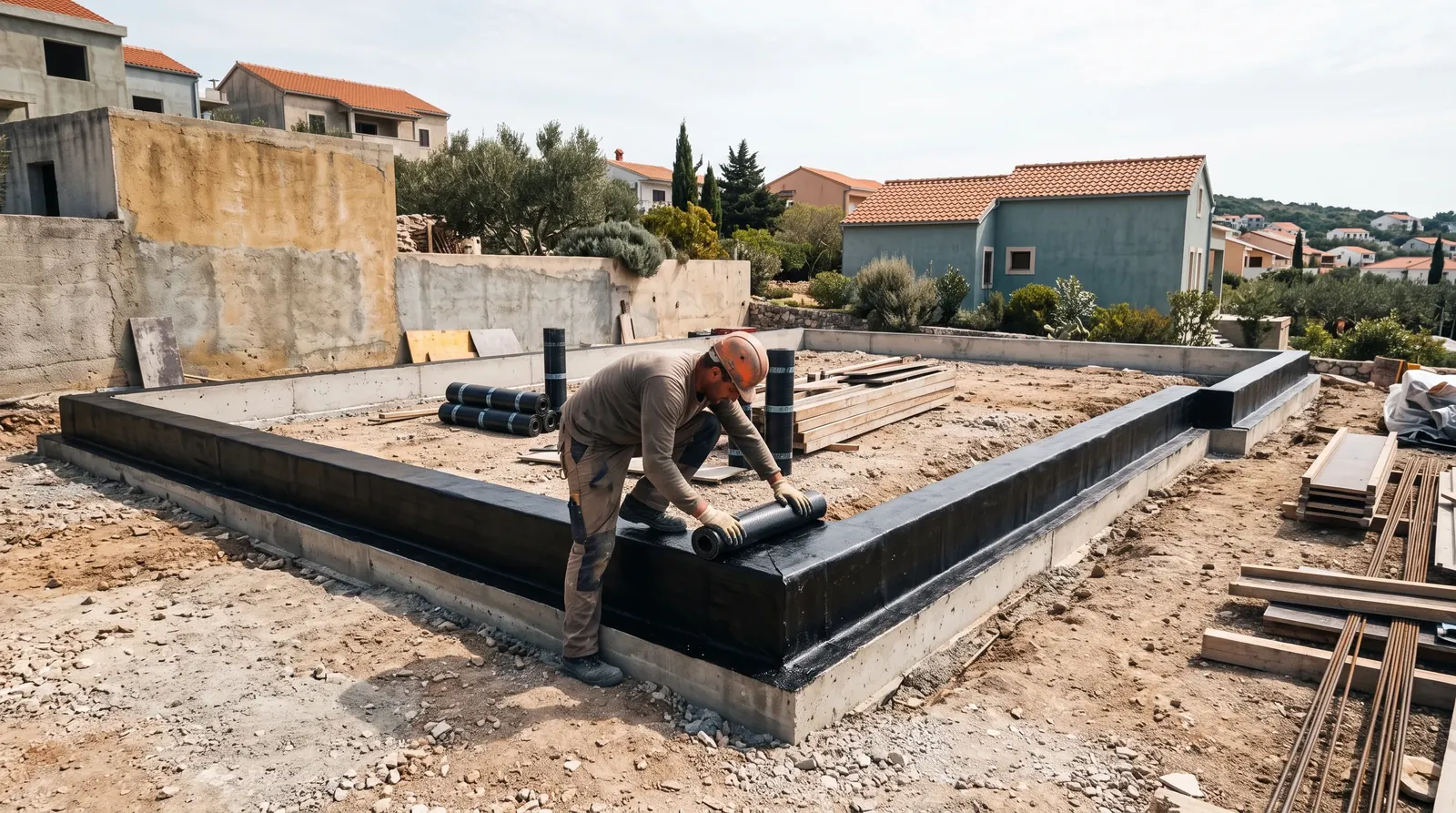
Application Stages
- Ground preparation and drainage system creation
- Foundation and retaining wall surface cleaning
- Waterproofing (bituminous membrane or liquid waterproofing)
- Thermal insulation (XPS or stone wool boards)
- Protective plaster or concrete coating
m² Cost Variables: foundation depth, groundwater level, soil type, existing damage condition, accessibility (excavation depth), material combination (water+heat), drainage needs, ground preparation costs, seasonal factors, protective concrete coating thickness.
What is foundation insulation?
Foundation insulation protects a building's load-bearing foundation and retaining walls from water and heat damage. Groundwater, soil pressure, and moisture can cause cracks, rebar corrosion, and structural weakening in foundation concrete, making insulation an indispensable part of building safety in earthquake-prone regions.
What determines the cost of foundation insulation?
Foundation insulation pricing depends on project-specific variables such as foundation depth, groundwater level, soil type, and existing damage condition. Accessibility, required material combination for water and heat protection, drainage needs, ground preparation costs, seasonal factors, and protective concrete coating thickness also affect the exact cost.
What methods and materials are used for foundation insulation?
Foundation insulation application begins with ground preparation and drainage system creation, followed by surface cleaning of the foundation and retaining walls. Waterproofing is applied using bituminous membrane or liquid waterproofing, then thermal insulation with XPS or stone wool boards, finished with protective plaster or concrete coating.
Percentages and timeframes on these pages (e.g., energy savings, value increase, expected lifespan) are typical industry ranges; actual results vary by building, existing condition, and scope of work, and do not constitute a guarantee.